

Long Lake Floor Installation & Refinishing
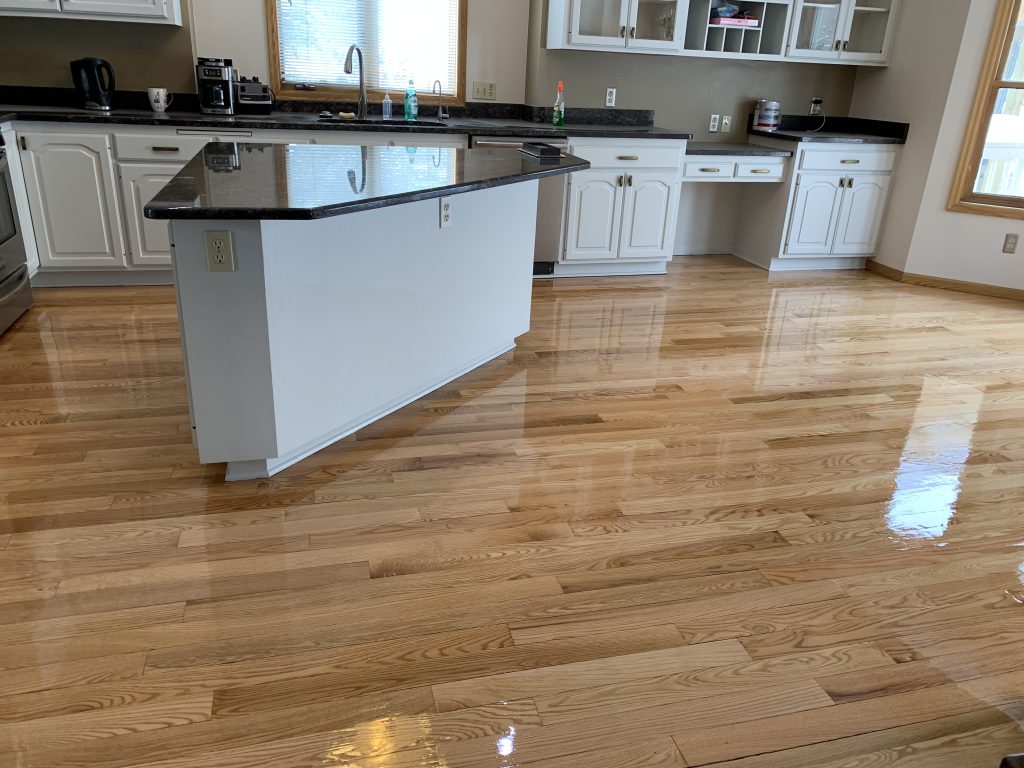
Hardwood Floor Installation and Refinishing: A Choice Hardwoods Perspective
At Choice Hardwoods, we’ve spent decades helping homeowners transform their living spaces through the beauty, durability, and timeless character of hardwood flooring. Whether someone is researching hardwood floor installation, comparing the benefits of various wood species, or trying to understand what actually happens during professional floor refinishing, our goal is always the same: deliver clarity, craftsmanship, and exceptional results.
Hardwood flooring is one of the few features in a home that can last for generations when maintained properly. And while trends come and go, the warmth and natural elegance of real wood never fall out of style. What does change—often rapidly—is the information homeowners need when deciding between installing new hardwood floors or refinishing existing hardwood flooring. Searches like “How long does hardwood refinishing take?”, “Should I install prefinished or unfinished hardwood?”, or “What’s the cost of hardwood floor installation today?” reveal how much people want transparent, reliable guidance before beginning their project.
Below, we offer that insight—directly from our team—along with subtle details about the process that most guides overlook.
When to Consider Hardwood Floor Installation
Homeowners contact us when they’re planning renovations, building a new home, or replacing flooring that has reached the end of its life. Hardwood installation is ideal when:
You want a long-term flooring solution with significant longevity
You’re updating an older home and want something architecturally consistent
You’re replacing carpet, vinyl, or tile with a more durable, natural option
Your existing hardwood is too thin to be refinished again
Many people search for “the best type of hardwood flooring for my home”, and the answer always depends on lifestyle. At Choice Hardwoods, we evaluate each home’s traffic patterns, humidity levels, subfloor condition, and aesthetic goals to help clients choose the perfect product. Common installation options include:
Solid Hardwood Flooring
A traditional choice milled from a single piece of wood. It can usually be sanded and refinished multiple times, making it a popular selection for homeowners planning to stay in their property long-term.
Engineered Hardwood Flooring
Often searched as “engineered vs solid hardwood”, engineered flooring consists of a real hardwood veneer over a stable plywood core. It’s ideal for spaces where humidity fluctuates, and it can be installed below grade or over concrete—something solid hardwood isn’t suited for.
Prefinished vs. Unfinished Hardwood
Another common query is “Is prefinished hardwood better?” Prefinished floors come with a factory-applied finish that’s extremely durable and quick to install. Unfinished hardwood, on the other hand, is sanded and finished on-site, which allows for full customization and a perfectly smooth, monolithic look.
Each option has benefits. What matters is matching the right material to the way the home is used.
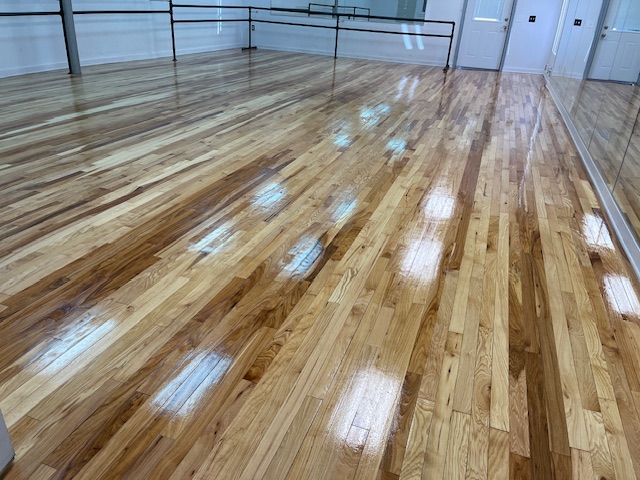
How Our Hardwood Installation Process Works
At Choice Hardwoods, installing a floor is far more than placing boards. It’s a sequence of carefully executed steps that determine the long-term performance of the floor. Many people underestimate how much craftsmanship goes into each stage, which is why “what does hardwood floor installation include?” remains one of the top questions we hear.
Below is a look at the details behind our work.
1. Preparing the Subfloor
A hardwood floor is only as good as the surface beneath it. Before the first board is ever placed, we:
Check for flatness and correct any dips or high spots
Replace damaged sections of subfloor
Test moisture to ensure conditions meet industry standards
Install moisture barriers when needed
These measures prevent squeaks, gaps, and cupping in the future.
2. Acclimation
Wood is a living material. It expands and contracts based on humidity, so we deliver materials ahead of installation to acclimate them to the home’s environment. For homeowners searching “how long should hardwood acclimate,” the answer is typically 48–72 hours, though certain species may require longer.
3. Layout and Design
Before fastening any planks, we mark precise reference lines. This ensures that the floor is visually centered and aligned with sightlines and room geometry. During this step, we also plan:
Transitions
Border designs
Direction of the grain
Seam staggering
Subtle design decisions often make the difference between a floor that looks “installed” and one that looks “crafted.”
4. Installation Method
Depending on the product selected and the home’s structure, we choose between:
Nail-down installation
Glue-down installation
Floating installation
Nail-down is the most common for solid hardwood. Engineered hardwood over concrete typically requires glue-down. Each method demands different tools, adhesives, and moisture control techniques.
5. Final Fit and Trim
Once the field is installed, we handle the finishing touches: thresholds, reducers, stair nose pieces, and base shoe molding. These elements complete the look and ensure a clean transition between surfaces.
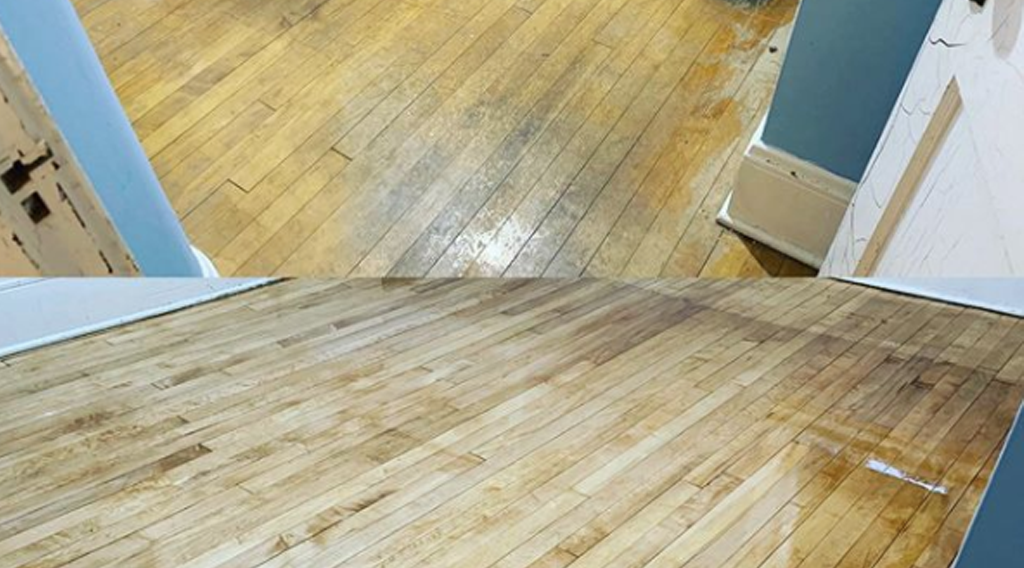
Signs Your Hardwood Floors Need Refinishing
Over time, all hardwood floors show signs of wear—especially in high-traffic areas like kitchens, hallways, and entryways. People researching refinishing often search for “how do I know when my floors need refinishing?” and the signs are usually straightforward:
Visible scratches, scuffs, and dullness
Discoloration or fading from sunlight
Water stains or minor surface damage
Worn-through finish in traffic paths
Gray patches where wood is exposed to air
Refinishing restores the beauty of the floor, improves durability, and can dramatically change your home’s aesthetic. It is also far more economical than replacing flooring entirely.
Our Floor Refinishing Process, Step by Step
Refinishing hardwood is detailed work that must be performed with precision. Homeowners often expect it to be quick, but true professional refinishing is a multi-day process that requires prep, equipment expertise, and a controlled environment. This helps explain why people search things like “how long does hardwood refinishing take?” or “what happens during sanding?”
Here’s what we do at Choice Hardwoods:
1. Jobsite Preparation
Before we sand, we:
Remove or protect furniture
Mask off adjacent rooms
Cover vents and sensitive surfaces
Verify moisture levels
Modern sanding equipment captures the majority of dust, but preparation ensures your home stays clean and protected from start to finish.
2. Sanding the Floors
Sanding removes the old finish and exposes fresh wood. There are three primary stages:
Coarse Sanding – Removes finish and levels the floor
Medium Sanding – Smooths scratches left during the coarse pass
Fine Sanding – Prepares the floor for staining and coating
During this process, we also hand-sand edges and corners, and we fill gaps or nail holes when needed. Homeowners searching “can you refinish engineered hardwood?” should know that sanding is possible only if the wear layer is thick enough—we evaluate this carefully.
3. Staining (Optional)
If a client wants a different color, we apply stain after fine sanding. Stain selection is one of the most exciting parts of the process. Popular searches like “best stain colors for hardwood floors” show just how many options homeowners explore—classic chestnut, modern grays, warm naturals, deep espresso, and more.
We perform sample testing directly on the floor so you can visualize how the color interacts with your home’s lighting.
4. Applying the Finish
The finish protects the wood and determines the sheen. Many clients researching finishes wonder whether they should choose water-based polyurethane or oil-based polyurethane. Here’s a simple breakdown:
Water-based finishes dry quickly, have minimal odor, and retain a natural color
Oil-based finishes are durable, develop a warm amber tone, and take longer to cure
We apply multiple coats, abrading between layers for optimal adhesion.
5. Curing Time
Light foot traffic is usually allowed after the first 24 hours, but full curing may take several days depending on the finish. We always provide homeowners with clear aftercare instructions based on their specific project.
Choosing Between Installation and Refinishing
Many homeowners aren’t sure whether to install new flooring or revitalize what they already have. Search queries like “should I replace or refinish hardwood floors” reflect this debate.
Here’s a quick guide:
Refinish if:
The wood is solid and has enough thickness remaining
You love the look but want a refreshed appearance
Damage is superficial (scratches, discoloration, dullness)
Install new flooring if:
The existing wood has been sanded too many times
You want a different board width, species, or layout
There is significant structural damage or water damage
You’re remodeling and redesigning the space entirely
At Choice Hardwoods, we evaluate the condition of your floor and provide clear recommendations with cost and durability in mind.
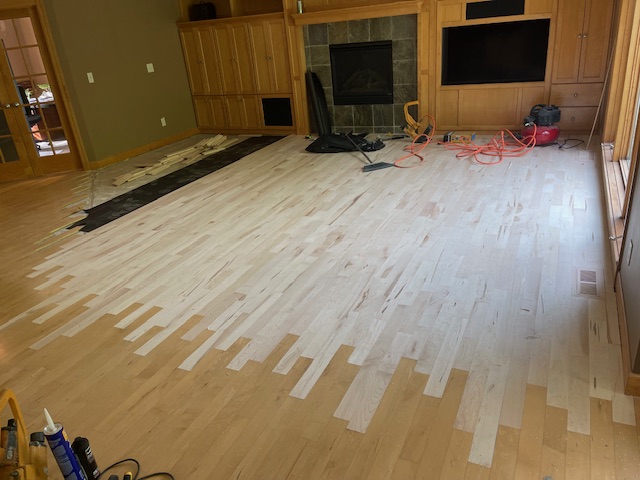
Common Questions Homeowners Ask
Because people often begin their research online, we’ve compiled answers to several highly searched questions. These can also serve as natural anchor text such as “hardwood refinishing cost factors”, “solid vs engineered hardwood explained”, or “how to maintain hardwood floors”—phrases that can be linked internally on your website.
How long does hardwood floor installation take?
Most installations take 2–5 days depending on the square footage, wood type, and complexity. Prefinished floors install faster because they don’t require sanding or onsite finishing.
Will refinishing produce a lot of dust?
Modern dust-containment systems drastically reduce airborne dust compared to older methods. While refinishing isn’t 100% dust-free, we keep the environment as clean as possible.
Can I stay in my home during the process?
Yes, most homeowners stay in the house during installation or refinishing. We coordinate the work to minimize disruption, though certain finishes may require temporary avoidance of specific rooms.
How often should hardwood floors be refinished?
Every 7–15 years on average, depending on wear. High-traffic homes with pets or children may choose more frequent maintenance, while low-traffic homes can go much longer.
The Long-Term Value of Professional Work
Hardwood flooring is a major investment, and the quality of the installation or refinishing work determines how long the floor will last. Poorly installed floors may buckle, gap, or squeak. Floors that are refinished incorrectly can show swirl marks, uneven color, or peeling finish. This is why so many homeowners search for “best hardwood flooring contractor” or “experienced hardwood refinishing professionals”—because the outcome depends heavily on skill and attention to detail.
At Choice Hardwoods, we approach every project with respect for the material and a commitment to craftsmanship. Our team uses premium equipment, high-quality finishes, and proven techniques that protect your investment.
Maintaining Hardwood Floors After Installation or Refinishing
People frequently look up “how to care for hardwood floors”, and there are a few simple rules:
Sweep or vacuum regularly using a hardwood-safe vacuum
Clean with an approved cleaner—avoid vinegar or steam mops
Use felt pads under furniture
Keep pets’ nails trimmed
Maintain stable humidity (ideally 35–55%)
Following these steps dramatically extends the life of the finish and keeps the floor looking like new.
Why Homeowners Choose Choice Hardwoods
We know that anyone reading about hardwood installation and refinishing is searching for reliable information. But information alone isn’t enough. Homeowners need a contractor they can trust with their home—someone who understands wood species, finish chemistry, moisture dynamics, and proper installation techniques.
Choice Hardwoods offers:
Tailored recommendations based on your home and lifestyle
Skilled craftsmen with years of experience
A process designed to protect your home and maximize longevity
Options customized to your style, from stain colors to board patterns
Our goal is to make your project seamless from start to finish.
Page Content
Toggle