

Chaska Hardwood Floor Refinishing & Installation
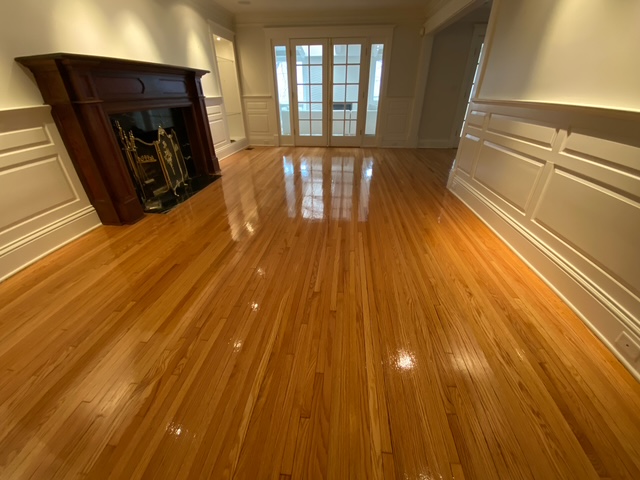
The Character of Hardwood In Chaska Homes
Chaska, MN is a community where history, craftsmanship, and thoughtful design converge. From the restored farmhouses near downtown to the newer lakeside neighborhoods and the growing developments east of Highway 41, Chaska’s homes all share one thing: a desire for durable, timeless flooring that fits Minnesota living. At Choice Hardwoods, we see hardwood floors as more than just a surface—they’re a long-term investment that enhances both comfort and home value.
When homeowners contact us about hardwood floor installation, refinishing existing hardwood, or general upgrades, they typically want something that blends seamlessly with the architecture and lifestyle of Chaska. Local searches such as “best flooring options for Minnesota homes”, “solid vs engineered hardwood for cold climates”, or “how often should hardwood floors be refinished?” reveal a common theme: people want clarity and reliability in the decision-making process.
Why Hardwood Performs So Well in Chaska
Minnesota’s climate is unique. We see dry winters, humid summers, rapid temperature shifts, and the kind of seasonal extremes that challenge building materials. This leads many homeowners to ask, “Is hardwood flooring stable enough for Minnesota weather?” The short answer: yes—when chosen and installed properly.
A few factors that make hardwood ideal for Chaska homes include:
Longevity: Hardwood lasts for generations when maintained correctly.
Refinishing potential: Floors can be renewed multiple times, making them adaptable to design changes.
Aesthetic versatility: Whether the home is a modern build near Bluff Creek or a historic property off Walnut Street, hardwood fits the style.
Value: Real hardwood consistently ranks among the top remodeling investments for resale value.
Because Chaska homeowners often stay in their houses for years (sometimes decades), they appreciate products with lasting physical and aesthetic value—two qualities hardwood delivers exceptionally well.
What Homeowners Want Most
Through conversations with clients and observing online search trends, we’ve noticed recurring questions from Chaska residents:
“Which hardwood species holds up best with kids and pets?”
“How does engineered hardwood perform over concrete?”
“What are the current hardwood stain trends?”
“Is refinishing cheaper than replacing my floors?”
These questions guide our consultation process and help us match each home and lifestyle with the ideal flooring solution. Whether the priority is durability, design, or low maintenance, we’re able to create a plan that balances every need.
Hardwood also pairs beautifully with Chaska’s open-concept homes, which is why homeowners often explore wide-plank hardwood, custom wood stains, and matte-sheen finishes that complement natural lighting.
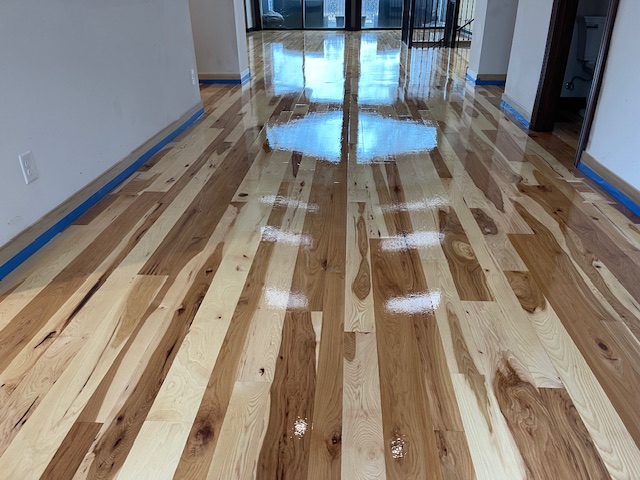
Choice Hardwoods’ Installation Process for Chaska Residences
Hardwood floor installation is a craft that involves far more than laying boards in straight lines. Each home in Chaska has its own moisture patterns, traffic flow, and architectural features, so our process is designed around precision and customization. Homeowners frequently search for terms like “how does hardwood installation work?”, “what’s the cost of hardwood installation?”, and “what prep is needed before installing hardwood floors?” To answer these questions thoroughly, here’s an inside look at our detailed approach.
Step 1: Evaluating the Home’s Conditions
Before installing anything, we perform a full assessment. In many Chaska neighborhoods—especially areas near lakes, wetlands, or lower-grade environments—subfloors can vary in moisture content. We check for:
Proper humidity
Structural integrity of the subfloor
Levelness and support
The presence of vapor barriers
This step ensures the hardwood will stay stable throughout the year.
Step 2: Material Selection and Acclimation
Choosing between engineered and solid hardwood often leads to deeper questions. Homeowners ask us about differences in durability, refinishing potential, and how each type responds to Minnesota humidity. Because Chaska homes range from historic to brand-new, we provide guidance tailored to each setting.
Once the material is selected, we deliver it to the home for acclimation—an essential step that minimizes expansion or contraction after installation. Homeowners often search for “how long to acclimate hardwood floors”, and the answer varies:
Most species: 48–72 hours
Sensitive species (e.g., hickory): slightly longer
Homes with significant humidity fluctuations: customized timelines
This ensures boards achieve the proper moisture balance for Chaska’s seasonal environment.
Step 3: Layout Planning and Preparation
Design planning is one of the most overlooked yet crucial elements of installation. Before fixing a single board, we evaluate:
Grain direction
Sightlines from room to room
Transition heights to other flooring
Patterns (straight lay, diagonal, herringbone, or custom layouts)
Board staggering for a balanced appearance
This planning ensures your floor looks cohesive—not pieced together.
Step 4: Installation Techniques
Different homes require different installation methods, and Chaska homes often present unique subfloor types. Depending on the flooring chosen, we may use:
Nail-down installation — common over wood subfloors
Glue-down installation — preferred for engineered wood or certain sound-dampening needs
Floating installation — used in select circumstances where movement is required
If moisture protection is needed, we may install underlayment or moisture barriers—common in homes with lower-level slabs or near high-humidity areas.
Step 5: Sanding and On-Site Finishing (if Unfinished Hardwood)
Homeowners seeking custom hardwood staining, smooth transitions, or a finely detailed finish often choose unfinished hardwood. After installation, we sand the floor to a smooth, consistent level, then apply stain and finish. Popular stain choices for Chaska homes include:
Natural white oak
Warm honey or chestnut
Medium walnut
Subtle gray blends
Light Nordic-inspired tones
These tones pair well with both contemporary designs and traditional layouts.
Step 6: Final Touches and Quality Checks
After installation and finishing, we complete:
Vent integration
Transition piece installation
Final inspection and cleaning
Our aim is for the floor to look flawless from every angle.
Common Installation Questions from Chaska Homeowners
We regularly address inquiries such as:
“How long does hardwood installation take?”
“Is prefinished hardwood a good choice?”
“Can hardwood be installed in basements?”
“What’s the difference between satin and matte finish?”
To help homeowners feel confident, we take time to explain every detail so they understand both the process and the long-term benefits.

Refinishing Hardwood Floors in Chaska Homes
Hardwood refinishing is one of the most effective ways to rejuvenate a home’s interior. Many Chaska homeowners living in older or mid-century houses contact us about renewing their existing floors. Others with newer homes simply want a change in color or finish style. Refinishing offers the flexibility to adjust a home’s appearance without the cost of full replacement.
Searches like “how much does hardwood refinishing cost?”, “how messy is floor refinishing?”, and “water-based vs oil-based polyurethane” show that homeowners want detailed, transparent information before committing. Here is how our process works.
Step 1: Jobsite Protection
We begin by preparing the space. We use dust containment systems to capture the majority of airborne dust and protect:
-
Cabinets
-
Appliances
-
Built-ins
-
Vents and HVAC systems
-
Adjacent rooms
-
Furniture and personal items (if still on-site)
While sanding generates some dust, modern equipment makes the process significantly cleaner than older methods.
Step 2: Multi-Stage Sanding
Sanding is where the real transformation begins. We perform several passes using different grits, gradually bringing the wood to a smooth, stain-ready state.
-
Coarse sanding removes old finish, levels boards, and eliminates deep scratches.
-
Medium sanding refines the surface and removes coarse sanding marks.
-
Fine sanding prepares the wood for staining and provides a consistent texture.
-
Hand sanding edges, corners, and stair treads ensures uniform detail.
Chaska residents with pets or high-traffic households often rely on this process to remove years—sometimes decades—of wear.
Step 3: Staining (Optional)
If a homeowner wants to change the color of their floor, we apply hand-wiped stains to achieve the desired tone. Because Chaska has a mix of modern and traditional housing styles, popular color families include:
-
Rich brown stains for classic two-story homes
-
Medium-warm tones for transitional spaces
-
Custom-blended stains for unique aesthetics
We always create sample areas on-site so homeowners can see how light interacts with the color throughout the day.
Step 4: Applying the Finish
One of the most common questions we hear from Chaska homeowners is whether they should choose oil-based or water-based polyurethane. Both are excellent choices, depending on goals:
-
-
Fast drying
-
Minimal odor
-
Clear, natural look
-
Excellent for modern or light floors
-
-
-
Deep, warm glow
-
High durability
-
Traditional amber tone
-
Longer cure time
-
We apply multiple coats, buffing between layers for proper adhesion and smoothness.
Step 5: Curing and Aftercare
Foot traffic is typically allowed after 24 hours, but full curing takes longer. We guide homeowners through accurate timelines for:
-
Moving furniture back
-
Replacing rugs
-
Cleaning the surface
-
Maintaining humidity
This ensures the finish hardens properly and lasts as long as possible.
When Refinishing Isn’t Enough
We sometimes discover floors that are too thin to sand again. Engineered wood with a minimal wear layer, heavily damaged planks, or severe cupping may require replacement. In those cases, we help homeowners transition to installing new hardwood flooring that suits their home’s style and future needs.
Maintenance Tips for Chaska Homes
Because Minnesota weather is demanding, we offer homeowners guidance like:
-
Maintain indoor humidity between 35–55%
-
Avoid steam mops
-
Sweep or vacuum regularly
-
Use felt pads under furniture
-
Clean up spills quickly
These simple habits dramatically extend the life of your finish.
Page Content
Toggle