

Realtors Hardwood Flooring Tips For Sellers
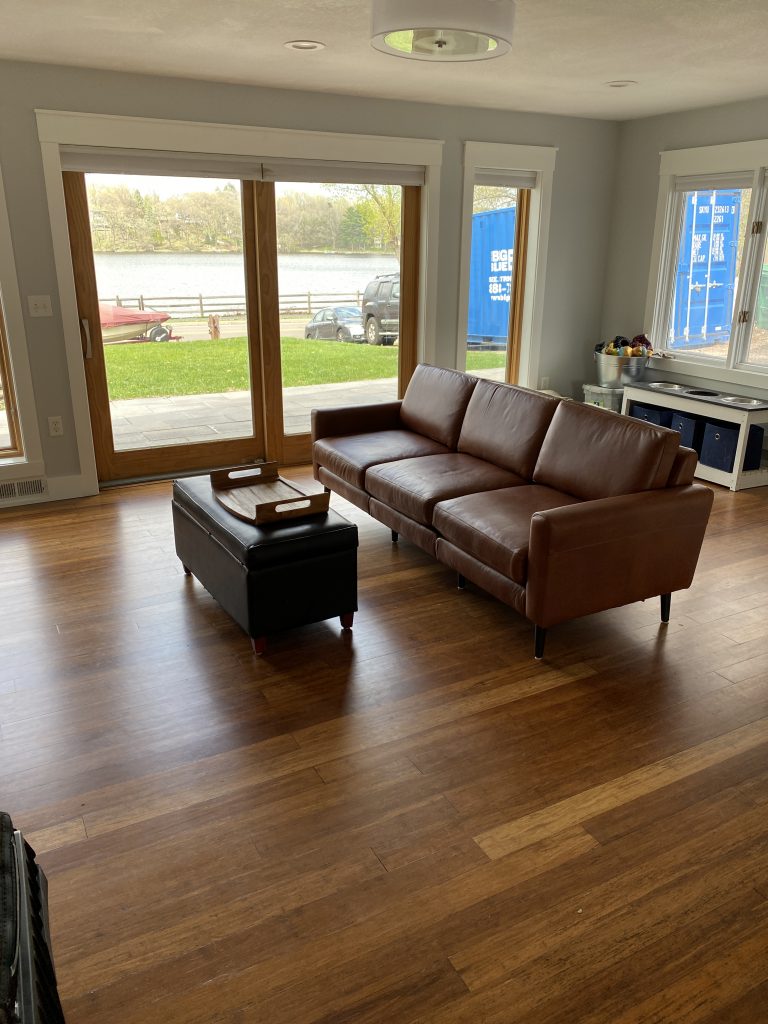
What Realtors Wish Homeowners Knew About Hardwood Floors Before Selling
When it comes to selling a home, first impressions matter—and one of the most impactful features buyers notice the moment they walk in is the flooring. In Minnesota, where buyers are often looking for warmth, durability, and timeless style to weather our harsh winters and humid summers, hardwood floors are a major selling point.
But not all hardwood floors are created equal—and many sellers don’t realize that their floors could actually be hurting their home’s marketability if not properly updated or maintained.
Here’s what local realtors wish homeowners knew about hardwood floors when preparing their home for sale—from smart updates to avoidable turn-offs.
1. Buyers Love Hardwood—But Only When It’s in Good Shape
The natural beauty of hardwood adds a premium feel to any room, but scuffed, scratched, or overly worn floors can be a big red flag to potential buyers. While you might have gotten used to those dents or pet scratches over the years, buyers see them as future costs and hassle.
Before listing, consider hardwood floor refinishing to breathe new life into dull or damaged surfaces. Even basic sanding and sealing can make a huge difference. If your floors are too far gone, installing new hardwood floors may provide the best return on investment—especially in high-traffic areas like living rooms, kitchens, and entryways.
2. Timeless Color Choices Sell Faster
Realtors consistently report that neutral, natural-looking floors are the safest bet when preparing a home for sale. While gray stains and dark espresso tones had their moment, they can feel dated today—or even limit your buyer pool.
Here in Minnesota, where natural light can be scarce in winter, light to mid-tone stains—like natural oak, classic maple, or golden brown—can make a space feel warm and open. These colors also pair well with a wide range of decor styles, from Scandinavian minimalism to traditional rustic.
If you’re considering refinishing hardwood floors, opting for a natural stain or light water-based finish offers long-lasting appeal. Avoid overly trendy colors unless you’re targeting a very specific market or style-conscious neighborhood.
3. Finish Type Matters More Than You Think
Not all finishes are created equal, and realtors often wish homeowners understood the implications of each.
Oil-Based Polyurethane: Offers a warm, amber glow and excellent durability, but can yellow over time. Drying times are longer and VOCs are higher, which can delay showings or open houses.
Water-Based Polyurethane: Dries quickly, is low odor, and remains clear—ideal for lighter stains and modern aesthetics. This is a great choice for last-minute refinishing before listing.
Natural Oil Finishes: Penetrate the wood and offer a matte, natural look. These are popular among buyers seeking an eco-friendly, low-sheen appearance, but they require more ongoing maintenance.
The right finish type for hardwood floors depends on your home’s current condition, timeline for listing, and overall design goals.
4. Gaps, Cupping, and Seasonal Movement Can Scare Buyers
Minnesota’s extreme seasonal shifts can wreak havoc on hardwood floors. If your flooring shows signs of cupping, gapping, or buckling, potential buyers may assume deeper structural issues or water damage.
Realtors wish sellers would address these issues before listing. A quick consultation with a professional can determine whether your floors need simple re-coating, a moisture barrier fix, or more significant repairs.
Educating buyers during showings (through disclosure or pre-listing inspections) about how seasonal humidity affects hardwood in Minnesota can also help manage expectations.
5. Consistency Is Key Throughout the Home
Buyers love a cohesive look. If your home has hardwood in the living room, carpet in the bedrooms, and dated vinyl in the hallway, it can disrupt the flow and feel of the space.
Many realtors recommend installing hardwood floors or matching existing hardwood flooring throughout main areas to create a seamless look that feels more upscale and move-in ready. In split-level or older Minnesota homes, unifying the flooring can go a long way toward modernizing the layout.
You can even consider using engineered hardwood or pre-finished hardwood floors in lower levels or moisture-prone areas like basements, where solid wood might not be ideal.
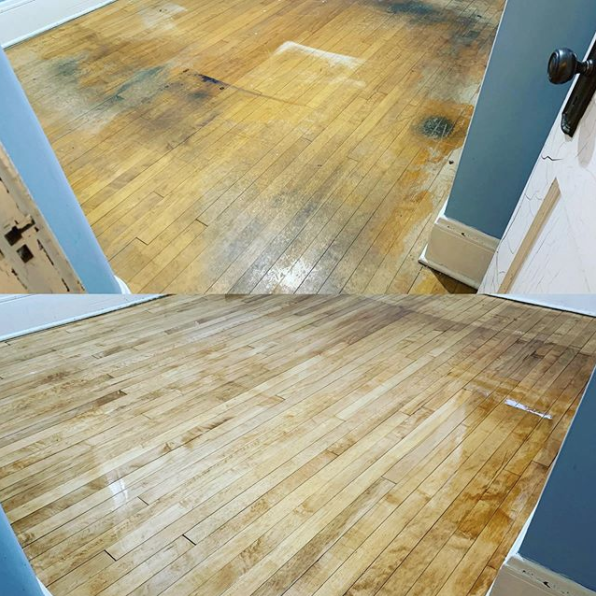
6. Fresh Floors = Less Negotiation Later
One of the top reasons deals fall through or sales prices drop? Flooring allowances. When buyers see work that needs to be done—especially something as essential as refinishing or replacing floors—they often demand concessions.
Sellers who take care of these issues upfront with professional hardwood floor refinishing services often recoup that investment (and then some) through a smoother sale and higher offers. Freshly finished floors are a silent signal that the home has been well cared for.
7. Staging and Lighting Make a Huge Impact
Realtors often stage homes to show off hardwood floors—because when they shine, they sell. If you’ve gone through the effort of refinishing or installing new floors, don’t forget to stage accordingly:
-
Use area rugs strategically to define spaces but not cover too much.
-
Clean windows to maximize natural light on the wood grain.
-
Consider warm-tone lighting to enhance the richness of your floor color.
These small changes can elevate the presentation and justify a higher asking price.
Final Thoughts: Invest Wisely Before You Sell
Hardwood floors are one of the most desirable features for Minnesota homebuyers—but only when they’re in top shape. Before you list, talk to a realtor and a local flooring expert to see whether refinishing your hardwood floors, updating your floor stain color, or even installing new wood flooring could make your home more marketable.
It’s often the difference between a quick sale at asking price—or months on the market with endless negotiations.
Page Content
Toggle